A Slient City Blog
When Canadians think about institutional abuses, we often think about Indigenous Residential schools. The amount of horror that went down at these schools cannot be described in one word or paragraph. The thought of the government ripping children from their parents’ arms, placing them in these so-called “schools” where they are instead forced to work, stripping them of their identity and culture and forcing them onto them behind closed doors, is so unthinkable that it broke my heart when I heard the truth of this dark chapter in our nation’s history.
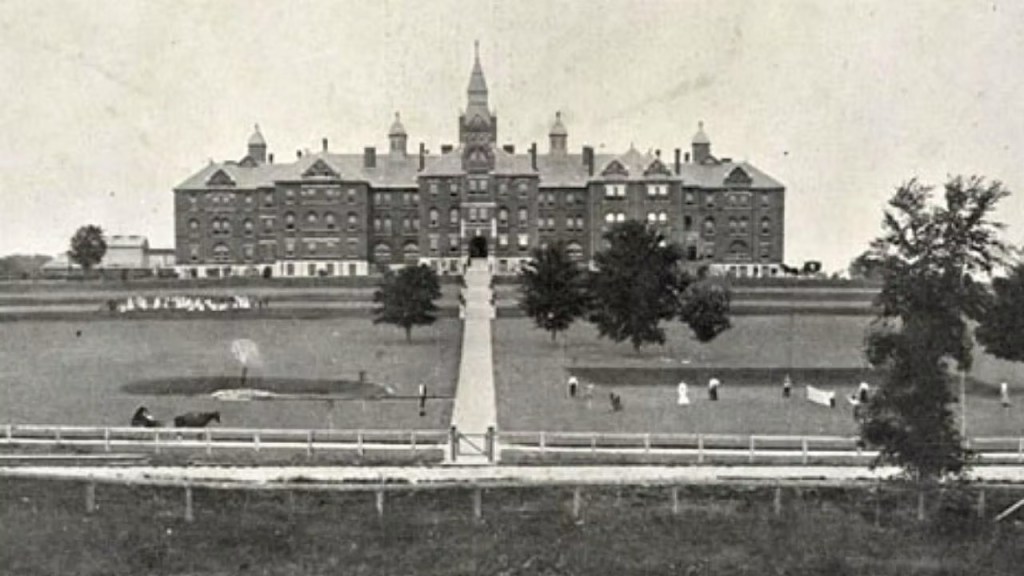
The Old Huronia
EnterHuronia, previously known as Orilla Asylum for Idiots & Imbeciles, an institution formed to take care of the mentally disabled far from society.
Just like the Residential Schools, it had a hopeful and innocent premise- to take care of the disabled, saving disabled children from a bad life, offering them better healthcare and education. But it had a dark secret that lasted for 64 years until it closed in 2009. Just one year before, my family had moved to Canada in 2010. However, it would not be until 6 years later that the secrets would be released to the public in the form of a Legal Settlement that offered compensation for former residents.
So what is this secret? I’m sure you can piece things together and imagine the horror I am about to tell you, but first, I would like to tell a story about a concerned father and his mentally delayed son, put together by The Star.
Lionel, a single father of four, works as a printer. After the death of his wife during childbirth, he had the sole responsibility of taking care of Maurice, his 5-year-old son, who was born with severe mental disabilities that required him to be cared for 24/7. After rejection after rejection, he finally got his son admitted into the institution. He then spent the next 3 months writing letters, inquiring about his health and well-being.
“Each response says the boy is doing well.”
Regardless, he ended up being buried at the age of 5 in the same field where over 1,000 children were placed.
However, the premature death of Maurice is a blessing compared to Doug Tebow, another former resident of Huronia who managed to live at the age of 73. If one were to look at Mr. Tebow, they would notice his bash-in skull that is the size of a softball. According to an interview conducted by The Globe and Mail, his deformed skull is the result of physical abuse over 17 years at Huronia.
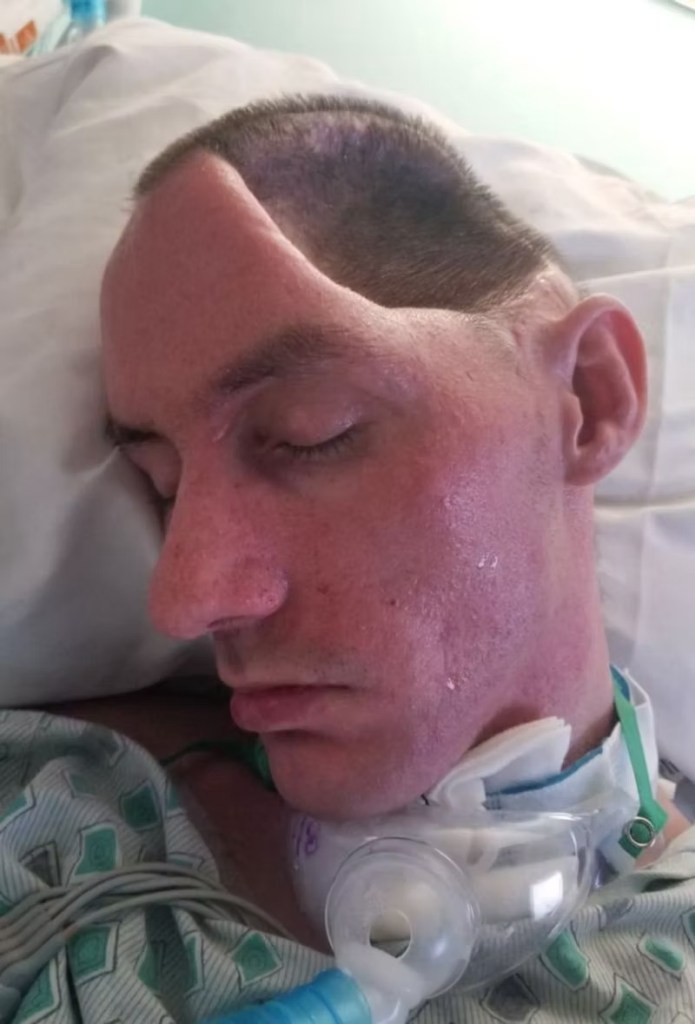
However, according to Mr. Tebow, the fact that he was never taught how to read or write was the worst effect he had after living at Huronia.
The physical abuses didn’t end there.
In Thelma Wheatly’s article, she exposes the sexual abuses the children experienced. Desi Harnum, a former patient, recalls attendants taking young boys off to small rooms to “play.” Girls were even worse, as there was no separation of the female patients from the male attendants, and they were often toyed with and raped. According to the 1976 Willard Report, male attendants often bathed girls along with the boys, humiliating them. They were also forced to announce the first day of their period for the records, and if they were pregnant, the attendants gave them birth control pills, mostly against their will.
But the worst kind of abuse was psychological. They were called “retards” and were segregated based on their IQ. For example, Lena, another patient, was labelled as an imbecile. In The Star’s article they state: “Imbecile was used as a medical term, meaning her IQ was between 21 and 50 — slightly smarter than an “idiot” (IQ of 0-20), but not quite as bright as a “moron” (IQ of 51-70)” This system allowed them to determine what jobs a resident could do. Children who had a 50 IQ were called Low grades, and anyone who had an IQ above that was a high-grade resident. Low Grades did small jobs like shovelling coal, snow and muck, while High Grades did harder jobs like tailoring, carpentry
The group with an IQ below 50 IQ were labelled “Low Grades”, and though many of them might be able to perform low-grade work, such as shovelling coal, many were unable to work at all, and needed the support of others, such as the “High Grade” patients and regular staff. Low-grade girls cleaned the wards and did laundry, while girls who were smarter helped nurses with the younger children or got to do domestic work at other people’s houses. Unlike the girls who did domestic work, everyone else who did a job was not paid. Huronia took advantage of the free labour, which helped with the lack of staff at the asylum.
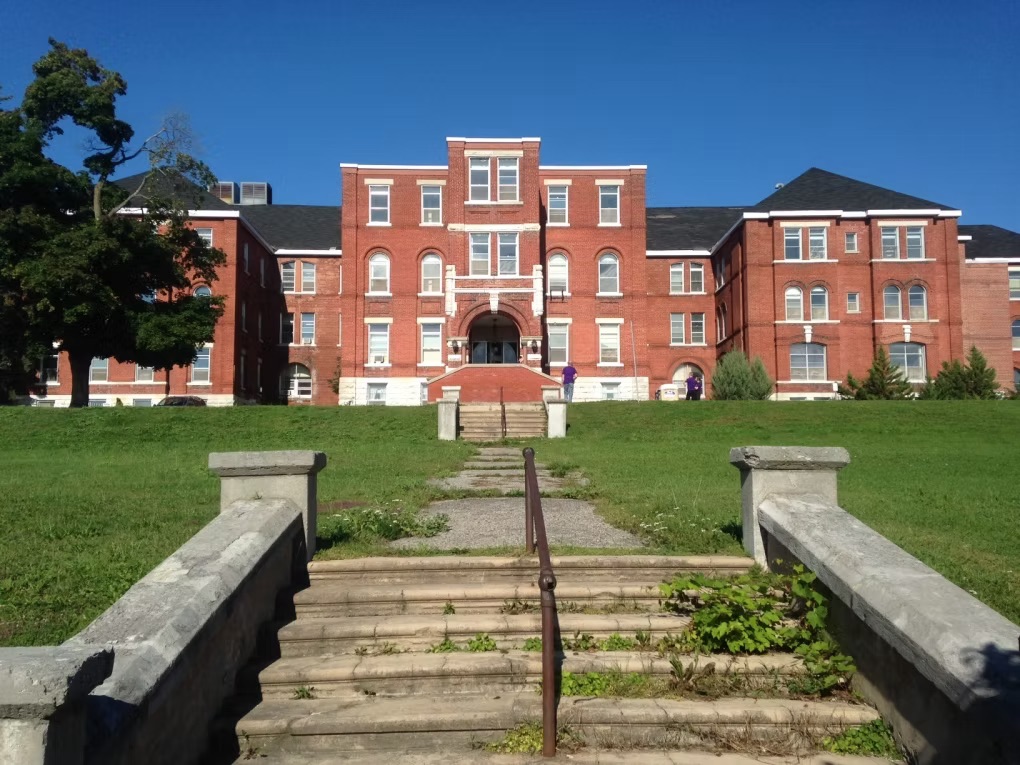
After 64 years of physical, psychological, and sexual abuse and forced, unpaid working conditions, Huronia finally closed in 2009. In 2015, former residents were compensated. Today, the Huronia Regional Center allows tours, telling the horrors that took place there in hopes that the evil is never reincorporated again.
 Catherine CC Dumé
Leave a comment